Buy educationforfuture.eu ?
We are moving the project
educationforfuture.eu .
Are you interested in purchasing the domain
educationforfuture.eu ?
domain@kv-gmbh.de · 0541-91531010
Buy educationforfuture.eu ?
Does anyone understand the semantics?
Understanding the semantics of a language or a piece of text depends on the individual's knowledge and familiarity with the language and its context. Some people may understand the semantics easily if they are fluent in the language and have a good understanding of the cultural context. Others may struggle to understand the semantics if they are not familiar with the language or the specific context being discussed. It ultimately depends on the individual's language skills and background knowledge. **
What are examples of semantics and pragmatics?
Examples of semantics include understanding the meaning of words and sentences, such as knowing that "dog" refers to a four-legged animal. Pragmatics, on the other hand, involves understanding language in context, such as knowing when it is appropriate to say "thank you" or how to interpret sarcasm. Both semantics and pragmatics play important roles in communication and language comprehension. **


Similar search terms for Semantics
Top-Angebote
Products related to Semantics:
-
Mamas & Papas Special Edition Liberty Collaboration Cold Weather Plus FootmuffThe Cold Weather Plus Footmuff by Mamas & Papas is the ultimate footmuff for cold weather protection, and features an extra-soft fleece lining. Ideal for keeping baby warm and cozy when out and about in cool weather, you can even zip down to a liner...150,00 $*Shipping: 0,00 $Secure redirect to the provider
-
Chicco Polly Progress Relax High Chair - SilhouetteThe Polly Progress is a multichair with five unique configurations for every age and stage: Newborn Recliner, Infant Highchair, Toddler Booster, Big Kid Booster, and Youth Stool. It can even accommodate two children at once one in the booster, and...229,99 $*Shipping: 0,00 $Secure redirect to the provider




-
What does the term image semantics mean?
Image semantics refers to the meaning or interpretation of an image, including the objects, actions, emotions, and concepts depicted within it. It involves understanding the visual content of an image and the message it conveys to the viewer. Image semantics can vary depending on cultural, social, and individual factors, influencing how people perceive and interpret visual information. It plays a crucial role in fields such as art, design, advertising, and communication, where conveying specific messages through images is essential. **
-
What is the difference between syntax and semantics?
Syntax refers to the structure and rules that govern how words and symbols are combined to form valid expressions or statements in a language. It deals with the arrangement of words and symbols to create meaningful sentences. Semantics, on the other hand, is concerned with the meaning that is conveyed by those words and symbols. It focuses on the interpretation of the words and symbols in a given context to understand the intended message or information. In essence, syntax is about the form or structure of language, while semantics is about the meaning or interpretation of language. **
-
What is word comprehension in relation to semantics?
Word comprehension in relation to semantics refers to the ability to understand the meaning of words within a language system. It involves recognizing the definitions, connotations, and associations of words, as well as understanding how they are used in different contexts. Word comprehension is essential for effective communication and language processing, as it allows individuals to accurately interpret and respond to verbal information. **
-
What is the difference between semantics and syntax?
Semantics refers to the meaning of words, phrases, and sentences in a language, while syntax refers to the structure and arrangement of words and phrases to create well-formed sentences. In other words, semantics is concerned with the interpretation of language, while syntax is concerned with the rules and principles that govern the formation of grammatically correct sentences. Semantics deals with the relationship between words and their meanings, while syntax deals with the relationship between words and their order in a sentence. **

What is the difference between semantics and word level?
Semantics refers to the meaning or interpretation of words, phrases, or sentences in a language, while word level focuses specifically on the individual words themselves. Semantics deals with how words are used to convey meaning and the relationships between words in a sentence, while word level analysis may involve studying the structure, form, or properties of individual words. In essence, semantics is concerned with the broader context and interpretation of language, while word level analysis is more focused on the specific characteristics of individual words. **
Can you give a brief explanation of syntax and semantics?
Syntax refers to the structure and rules that govern how words are combined to form phrases and sentences in a language. It deals with the arrangement of words and the relationships between them. Semantics, on the other hand, is concerned with the meaning of words, phrases, and sentences in a language. It focuses on the interpretation of language and how words convey specific meanings in different contexts. In essence, syntax is about the form of language, while semantics is about the meaning. **
Top-Angebote
Products related to Semantics:
-
Chicco Polly Progress Highchair - NaturaleIt can even accommodate two children at once: one in the booster, and one in the stool, making mealtimes happier for the whole family!For growing babies, Progress? offers all the convenience of an everyday highchair with a wipeable seat pad,...199,99 $*Shipping: 0,00 $Secure redirect to the provider
-
HARPERCOLLINS Creative Confidence by Tom & David Kelley – Unleashing Your Creative Potential & Innovation MindsetA powerful and inspiring book from the founders of IDEO, the award-winning design firm, on unleashing the creativity that lies within each and every one of us. Too often, companies and individuals assume that creativity and innovation are the domain of the ‘creative types’. But two of the foremost experts in innovation, design and creativity on the planet show us that each and every one of us is creative. In an entertaining and inspiring narrative that draws on countless stories from their work at IDEO, and with many of the world's top companies and design firms, David and Tom Kelley identify the principles and strategies that will allow us to tap into our creative potential in our work lives, and in our personal lives, allow us to think outside the box in terms of how we approach and solve problems. ‘Creative Confidence’ is a book that will help each of us be more productive and successful in our lives and in our careers.4,95 £*Shipping: 1,99 £Secure redirect to the provider
-
Mamas & Papas Special Edition Liberty Collaboration Cold Weather Plus FootmuffThe Cold Weather Plus Footmuff by Mamas & Papas is the ultimate footmuff for cold weather protection, and features an extra-soft fleece lining. Ideal for keeping baby warm and cozy when out and about in cool weather, you can even zip down to a liner...150,00 $*Shipping: 0,00 $Secure redirect to the provider
-
Chicco Polly Progress Relax High Chair - SilhouetteThe Polly Progress is a multichair with five unique configurations for every age and stage: Newborn Recliner, Infant Highchair, Toddler Booster, Big Kid Booster, and Youth Stool. It can even accommodate two children at once one in the booster, and...229,99 $*Shipping: 0,00 $Secure redirect to the provider
-
Does anyone understand the semantics?
Understanding the semantics of a language or a piece of text depends on the individual's knowledge and familiarity with the language and its context. Some people may understand the semantics easily if they are fluent in the language and have a good understanding of the cultural context. Others may struggle to understand the semantics if they are not familiar with the language or the specific context being discussed. It ultimately depends on the individual's language skills and background knowledge. **
-
What are examples of semantics and pragmatics?
Examples of semantics include understanding the meaning of words and sentences, such as knowing that "dog" refers to a four-legged animal. Pragmatics, on the other hand, involves understanding language in context, such as knowing when it is appropriate to say "thank you" or how to interpret sarcasm. Both semantics and pragmatics play important roles in communication and language comprehension. **
-
What does the term image semantics mean?
Image semantics refers to the meaning or interpretation of an image, including the objects, actions, emotions, and concepts depicted within it. It involves understanding the visual content of an image and the message it conveys to the viewer. Image semantics can vary depending on cultural, social, and individual factors, influencing how people perceive and interpret visual information. It plays a crucial role in fields such as art, design, advertising, and communication, where conveying specific messages through images is essential. **
-
What is the difference between syntax and semantics?
Syntax refers to the structure and rules that govern how words and symbols are combined to form valid expressions or statements in a language. It deals with the arrangement of words and symbols to create meaningful sentences. Semantics, on the other hand, is concerned with the meaning that is conveyed by those words and symbols. It focuses on the interpretation of the words and symbols in a given context to understand the intended message or information. In essence, syntax is about the form or structure of language, while semantics is about the meaning or interpretation of language. **
Similar search terms for Semantics
-
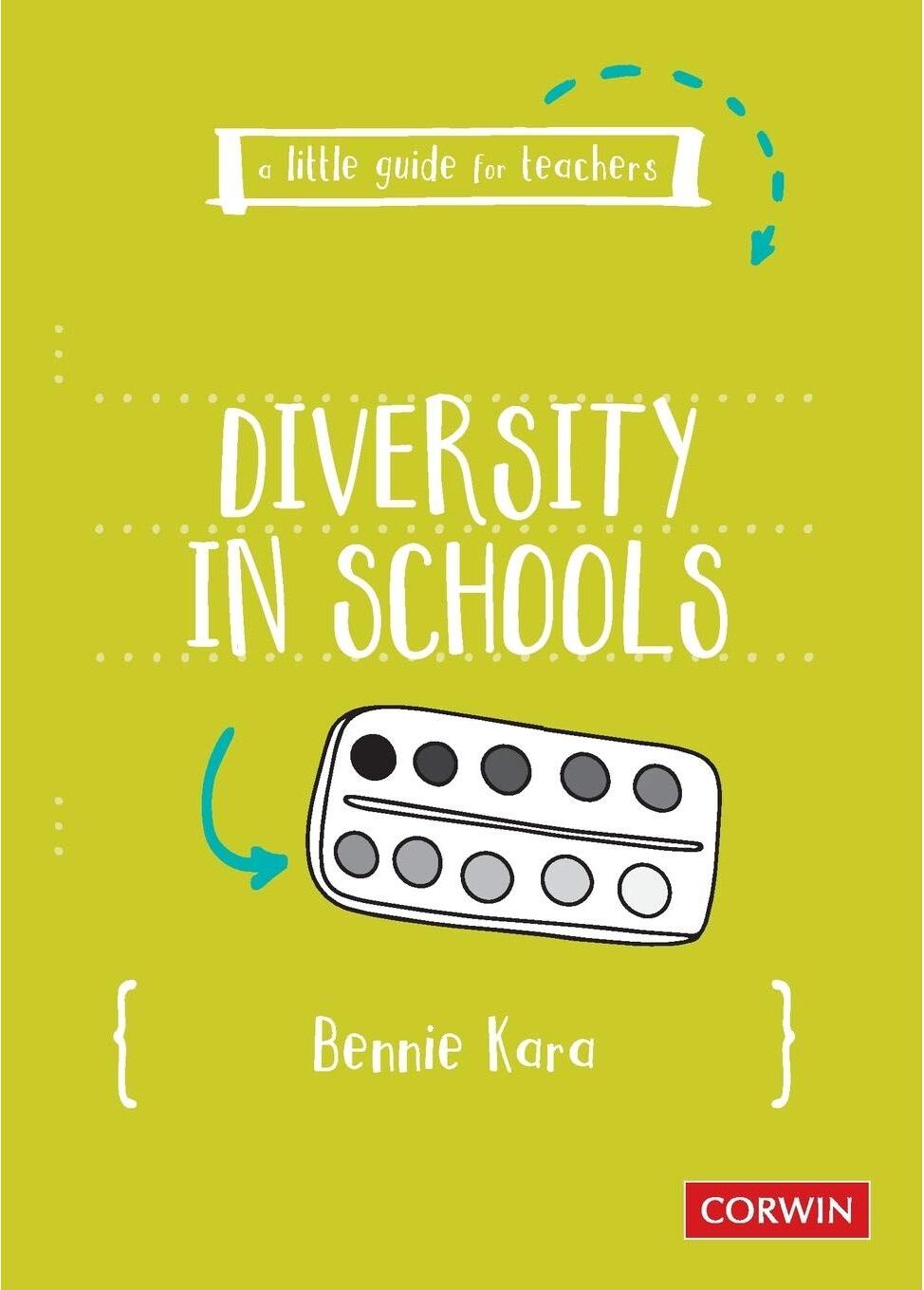
SAGE Publications A Little Guide for Teachers: Diversity in Schools (A Little Guide for Teachers)A Little Guide for Teachers: Diversity in Schools aims to provide starting points for teachers and leaders in creating a curriculum, either across disciplines or within subjects, that is as deep and diverse as their students. The Little Guide for Teachers series is little in size but BIG on all the support and inspiration you need to navigate your day to day life as a teacher. · Authored by experts in the field · Easy to dip in-and-out of · Interactive activities encourage you to write into the book and make it your own · Fun engaging illustrations throughout · Read in an afternoon or take as long as you like with it!12,99 £*Shipping: 2,99 £Secure redirect to the provider
-
What is word comprehension in relation to semantics?
Word comprehension in relation to semantics refers to the ability to understand the meaning of words within a language system. It involves recognizing the definitions, connotations, and associations of words, as well as understanding how they are used in different contexts. Word comprehension is essential for effective communication and language processing, as it allows individuals to accurately interpret and respond to verbal information. **
-
What is the difference between semantics and syntax?
Semantics refers to the meaning of words, phrases, and sentences in a language, while syntax refers to the structure and arrangement of words and phrases to create well-formed sentences. In other words, semantics is concerned with the interpretation of language, while syntax is concerned with the rules and principles that govern the formation of grammatically correct sentences. Semantics deals with the relationship between words and their meanings, while syntax deals with the relationship between words and their order in a sentence. **
-
What is the difference between semantics and word level?
Semantics refers to the meaning or interpretation of words, phrases, or sentences in a language, while word level focuses specifically on the individual words themselves. Semantics deals with how words are used to convey meaning and the relationships between words in a sentence, while word level analysis may involve studying the structure, form, or properties of individual words. In essence, semantics is concerned with the broader context and interpretation of language, while word level analysis is more focused on the specific characteristics of individual words. **
-
Can you give a brief explanation of syntax and semantics?
Syntax refers to the structure and rules that govern how words are combined to form phrases and sentences in a language. It deals with the arrangement of words and the relationships between them. Semantics, on the other hand, is concerned with the meaning of words, phrases, and sentences in a language. It focuses on the interpretation of language and how words convey specific meanings in different contexts. In essence, syntax is about the form of language, while semantics is about the meaning. **
* All prices are inclusive of VAT and, if applicable, plus shipping costs. The offer information is based on the details provided by the respective shop and is updated through automated processes. Real-time updates do not occur, so deviations can occur in individual cases. ** Note: Parts of this content were created by AI.