Buy educationforfuture.eu ?
We are moving the project
educationforfuture.eu .
Are you interested in purchasing the domain
educationforfuture.eu ?
domain@kv-gmbh.de · 0541-91531010
Buy educationforfuture.eu ?
How can geographical cartoons depict globalization?
Geographical cartoons can depict globalization by showing interconnectedness between different regions through symbols like arrows, globes, or interconnected networks. They can also illustrate the impact of globalization on different parts of the world, such as the spread of ideas, goods, and cultures. Additionally, geographical cartoons can highlight the disparities and inequalities that exist in a globalized world, such as the concentration of wealth in certain regions or the environmental consequences of interconnected economies. Overall, geographical cartoons can visually represent the complex and multifaceted nature of globalization in a simple and engaging way. **
How can geographic cartoons represent globalization?
Geographic cartoons can represent globalization by depicting the interconnectedness of different regions and cultures. They can show how goods, ideas, and people flow across borders, highlighting the impact of globalization on various parts of the world. Cartoons can also illustrate the power dynamics and inequalities that arise from globalization, such as the exploitation of labor in developing countries or the dominance of certain nations in the global economy. Additionally, geographic cartoons can capture the complexities of global issues, such as climate change and migration, and how they affect different regions around the world. **


Similar search terms for Cartoons
Top-Angebote
Products related to Cartoons:
-
Mamas & Papas Special Edition Liberty Collaboration Cold Weather Plus FootmuffThe Cold Weather Plus Footmuff by Mamas & Papas is the ultimate footmuff for cold weather protection, and features an extra-soft fleece lining. Ideal for keeping baby warm and cozy when out and about in cool weather, you can even zip down to a liner...150,00 $*Shipping: 0,00 $Secure redirect to the provider
-
Chicco Polly Progress Relax High Chair - SilhouetteThe Polly Progress is a multichair with five unique configurations for every age and stage: Newborn Recliner, Infant Highchair, Toddler Booster, Big Kid Booster, and Youth Stool. It can even accommodate two children at once one in the booster, and...229,99 $*Shipping: 0,00 $Secure redirect to the provider




-
What is expressed with these cartoons? (Topic: Globalization)
These cartoons express the idea that globalization has led to the homogenization of cultures and the loss of traditional identities. They depict the spread of Western consumer culture and the erosion of local customs and traditions. The cartoons also highlight the unequal distribution of wealth and power in the globalized world, with multinational corporations and wealthy countries dominating and exploiting poorer nations. Overall, the cartoons convey a critical perspective on the impact of globalization on cultural diversity and economic inequality. **
-
What is being expressed with these cartoons? (Topic: Globalization)
These cartoons are expressing concerns about the negative impacts of globalization. They highlight issues such as exploitation of workers, cultural homogenization, and environmental degradation that can result from the spread of global capitalism. The cartoons suggest that while globalization can bring economic growth and interconnectedness, it also has downsides that need to be addressed. **
-
What about the Mohammed cartoons?
The Mohammed cartoons refer to a series of cartoons depicting the Islamic prophet Mohammed that were published in a Danish newspaper in 2005. The cartoons sparked widespread outrage and protests in the Muslim world due to the belief that depicting Mohammed is blasphemous in Islam. The controversy highlighted the tensions between freedom of speech and respect for religious beliefs, and led to debates about the limits of free expression in a multicultural society. **
-
What do these cartoons mean?
These cartoons depict a person being overwhelmed by various tasks and responsibilities, symbolized by the multiple hands juggling different objects. The message conveyed is the feeling of being pulled in different directions and struggling to keep up with everything that needs to be done. It highlights the stress and pressure that can come from trying to manage a busy and demanding schedule. **

Why do children like cartoons?
Children like cartoons because they are visually engaging and entertaining. Cartoons often feature colorful and exaggerated characters, which capture children's attention and imagination. Additionally, cartoons often depict simple and relatable storylines that children can easily understand and enjoy. The humor and lightheartedness of cartoons also appeal to children, providing them with a sense of joy and amusement. Overall, cartoons provide a form of escapism and entertainment for children, allowing them to explore new worlds and characters in a fun and engaging way. **
What do the cartoons say?
The cartoons depict a person standing on a scale, looking disappointed at the number displayed. The scale is labeled "weight" and the person is holding a plate with a single piece of lettuce on it. The cartoons seem to be commenting on the frustration and disappointment that can come from focusing solely on the number on the scale, and the extreme measures some people may take to try to control their weight. It suggests that a healthy approach to weight management involves more than just focusing on the number on the scale. **
Top-Angebote
Products related to Cartoons:
-
Chicco Polly Progress Highchair - NaturaleIt can even accommodate two children at once: one in the booster, and one in the stool, making mealtimes happier for the whole family!For growing babies, Progress? offers all the convenience of an everyday highchair with a wipeable seat pad,...199,99 $*Shipping: 0,00 $Secure redirect to the provider
-
HARPERCOLLINS Creative Confidence by Tom & David Kelley – Unleashing Your Creative Potential & Innovation MindsetA powerful and inspiring book from the founders of IDEO, the award-winning design firm, on unleashing the creativity that lies within each and every one of us. Too often, companies and individuals assume that creativity and innovation are the domain of the ‘creative types’. But two of the foremost experts in innovation, design and creativity on the planet show us that each and every one of us is creative. In an entertaining and inspiring narrative that draws on countless stories from their work at IDEO, and with many of the world's top companies and design firms, David and Tom Kelley identify the principles and strategies that will allow us to tap into our creative potential in our work lives, and in our personal lives, allow us to think outside the box in terms of how we approach and solve problems. ‘Creative Confidence’ is a book that will help each of us be more productive and successful in our lives and in our careers.4,95 £*Shipping: 1,99 £Secure redirect to the provider
-
Mamas & Papas Special Edition Liberty Collaboration Cold Weather Plus FootmuffThe Cold Weather Plus Footmuff by Mamas & Papas is the ultimate footmuff for cold weather protection, and features an extra-soft fleece lining. Ideal for keeping baby warm and cozy when out and about in cool weather, you can even zip down to a liner...150,00 $*Shipping: 0,00 $Secure redirect to the provider
-
Chicco Polly Progress Relax High Chair - SilhouetteThe Polly Progress is a multichair with five unique configurations for every age and stage: Newborn Recliner, Infant Highchair, Toddler Booster, Big Kid Booster, and Youth Stool. It can even accommodate two children at once one in the booster, and...229,99 $*Shipping: 0,00 $Secure redirect to the provider
-
How can geographical cartoons depict globalization?
Geographical cartoons can depict globalization by showing interconnectedness between different regions through symbols like arrows, globes, or interconnected networks. They can also illustrate the impact of globalization on different parts of the world, such as the spread of ideas, goods, and cultures. Additionally, geographical cartoons can highlight the disparities and inequalities that exist in a globalized world, such as the concentration of wealth in certain regions or the environmental consequences of interconnected economies. Overall, geographical cartoons can visually represent the complex and multifaceted nature of globalization in a simple and engaging way. **
-
How can geographic cartoons represent globalization?
Geographic cartoons can represent globalization by depicting the interconnectedness of different regions and cultures. They can show how goods, ideas, and people flow across borders, highlighting the impact of globalization on various parts of the world. Cartoons can also illustrate the power dynamics and inequalities that arise from globalization, such as the exploitation of labor in developing countries or the dominance of certain nations in the global economy. Additionally, geographic cartoons can capture the complexities of global issues, such as climate change and migration, and how they affect different regions around the world. **
-
What is expressed with these cartoons? (Topic: Globalization)
These cartoons express the idea that globalization has led to the homogenization of cultures and the loss of traditional identities. They depict the spread of Western consumer culture and the erosion of local customs and traditions. The cartoons also highlight the unequal distribution of wealth and power in the globalized world, with multinational corporations and wealthy countries dominating and exploiting poorer nations. Overall, the cartoons convey a critical perspective on the impact of globalization on cultural diversity and economic inequality. **
-
What is being expressed with these cartoons? (Topic: Globalization)
These cartoons are expressing concerns about the negative impacts of globalization. They highlight issues such as exploitation of workers, cultural homogenization, and environmental degradation that can result from the spread of global capitalism. The cartoons suggest that while globalization can bring economic growth and interconnectedness, it also has downsides that need to be addressed. **
Similar search terms for Cartoons
-
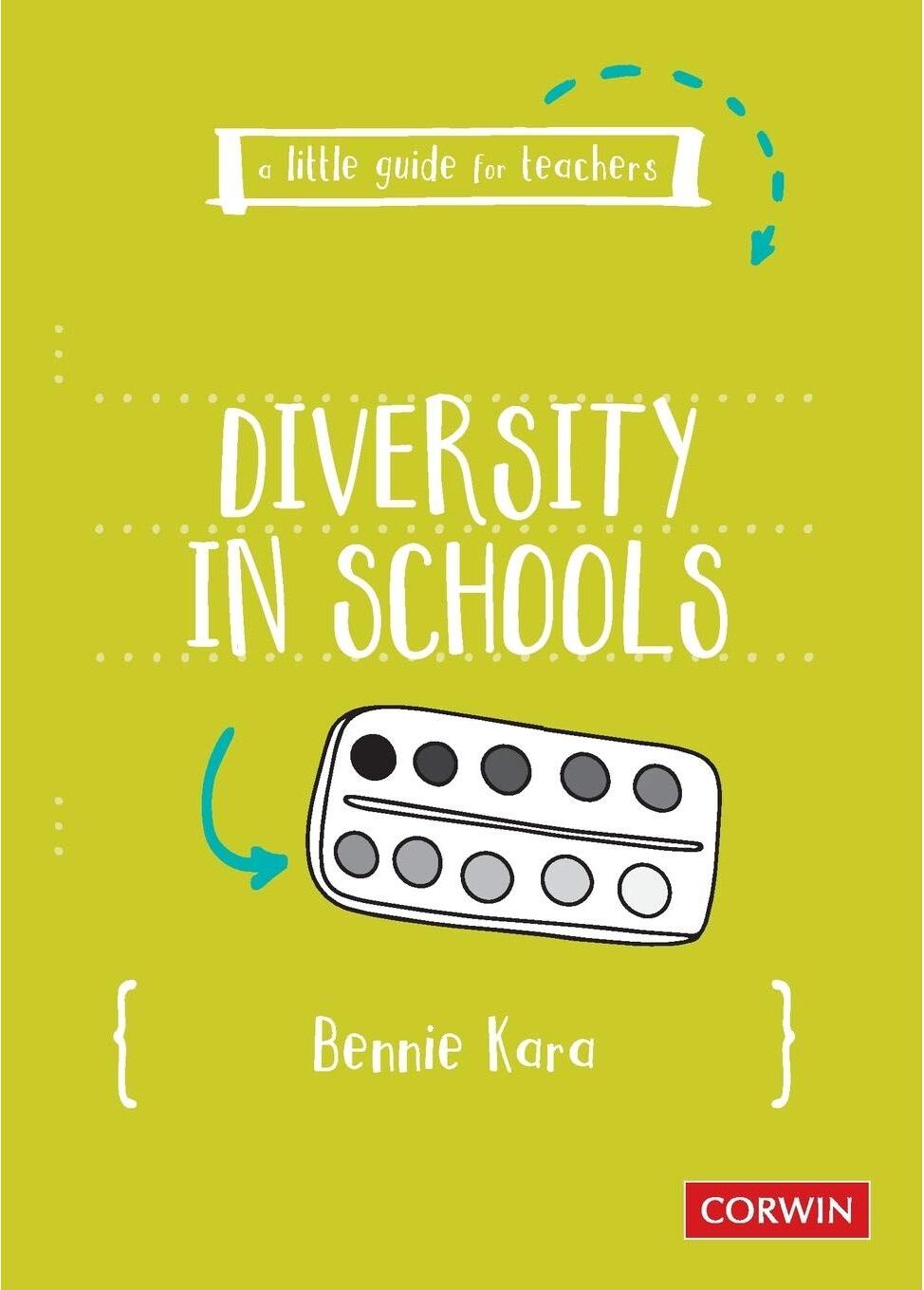
SAGE Publications A Little Guide for Teachers: Diversity in Schools (A Little Guide for Teachers)A Little Guide for Teachers: Diversity in Schools aims to provide starting points for teachers and leaders in creating a curriculum, either across disciplines or within subjects, that is as deep and diverse as their students. The Little Guide for Teachers series is little in size but BIG on all the support and inspiration you need to navigate your day to day life as a teacher. · Authored by experts in the field · Easy to dip in-and-out of · Interactive activities encourage you to write into the book and make it your own · Fun engaging illustrations throughout · Read in an afternoon or take as long as you like with it!12,99 £*Shipping: 2,99 £Secure redirect to the provider
-
What about the Mohammed cartoons?
The Mohammed cartoons refer to a series of cartoons depicting the Islamic prophet Mohammed that were published in a Danish newspaper in 2005. The cartoons sparked widespread outrage and protests in the Muslim world due to the belief that depicting Mohammed is blasphemous in Islam. The controversy highlighted the tensions between freedom of speech and respect for religious beliefs, and led to debates about the limits of free expression in a multicultural society. **
-
What do these cartoons mean?
These cartoons depict a person being overwhelmed by various tasks and responsibilities, symbolized by the multiple hands juggling different objects. The message conveyed is the feeling of being pulled in different directions and struggling to keep up with everything that needs to be done. It highlights the stress and pressure that can come from trying to manage a busy and demanding schedule. **
-
Why do children like cartoons?
Children like cartoons because they are visually engaging and entertaining. Cartoons often feature colorful and exaggerated characters, which capture children's attention and imagination. Additionally, cartoons often depict simple and relatable storylines that children can easily understand and enjoy. The humor and lightheartedness of cartoons also appeal to children, providing them with a sense of joy and amusement. Overall, cartoons provide a form of escapism and entertainment for children, allowing them to explore new worlds and characters in a fun and engaging way. **
-
What do the cartoons say?
The cartoons depict a person standing on a scale, looking disappointed at the number displayed. The scale is labeled "weight" and the person is holding a plate with a single piece of lettuce on it. The cartoons seem to be commenting on the frustration and disappointment that can come from focusing solely on the number on the scale, and the extreme measures some people may take to try to control their weight. It suggests that a healthy approach to weight management involves more than just focusing on the number on the scale. **
* All prices are inclusive of VAT and, if applicable, plus shipping costs. The offer information is based on the details provided by the respective shop and is updated through automated processes. Real-time updates do not occur, so deviations can occur in individual cases. ** Note: Parts of this content were created by AI.