Buy educationforfuture.eu ?
We are moving the project
educationforfuture.eu .
Are you interested in purchasing the domain
educationforfuture.eu ?
domain@kv-gmbh.de · 0541-91531010
Buy educationforfuture.eu ?
What is the difference between differential centrifugation and density gradient centrifugation?
Differential centrifugation separates particles based on their size and density by subjecting a sample to multiple rounds of centrifugation at increasing speeds. This method results in the formation of a pellet containing the heaviest particles at each step. Density gradient centrifugation, on the other hand, separates particles based on their buoyant density by layering a sample on top of a density gradient medium and subjecting it to centrifugation. This method results in the formation of distinct bands or layers of particles based on their buoyant density within the gradient medium. Overall, differential centrifugation separates particles based on their size and density, while density gradient centrifugation separates particles based on their buoyant density within a gradient medium. **
How does differential centrifugation work?
Differential centrifugation is a method used to separate different components of a cell or tissue sample based on their size, shape, and density. The sample is first homogenized to break open the cells and release their contents. The homogenate is then subjected to a series of centrifugation steps at increasing speeds, which causes the larger and denser components to sediment out first, followed by the smaller and lighter components. This process results in the separation of organelles and other cellular components into different fractions, which can then be further analyzed or used for various experiments. **


Similar search terms for Centrifugation
Top-Angebote
Products related to Centrifugation:
-
Chicco Polly Progress Relax High Chair - SilhouetteThe Polly Progress is a multichair with five unique configurations for every age and stage: Newborn Recliner, Infant Highchair, Toddler Booster, Big Kid Booster, and Youth Stool. It can even accommodate two children at once one in the booster, and...229,99 $*Shipping: 0,00 $Secure redirect to the provider



-
What is equilibrium density gradient centrifugation?
Equilibrium density gradient centrifugation is a technique used to separate particles or molecules based on their density. In this method, a sample is layered on top of a density gradient medium, such as sucrose or cesium chloride, and then centrifuged at high speeds. As the centrifuge spins, the particles in the sample move through the density gradient until they reach a point where their density matches that of the surrounding medium, resulting in a banding pattern. This allows for the separation and purification of different components based on their density. **
-
What is a simple experiment about centrifugation?
A simple experiment about centrifugation can involve separating a mixture of water and sand. First, mix the water and sand in a test tube. Then, place the test tube in a centrifuge and spin it at a high speed. The centrifugal force will cause the sand particles to settle at the bottom of the test tube, while the water will remain on top. This demonstrates how centrifugation can be used to separate substances of different densities. **
-
How does the separation process of centrifugation work?
Centrifugation works by using centrifugal force to separate substances of different densities in a mixture. When the mixture is spun at high speeds in a centrifuge, the denser components move towards the bottom of the centrifuge tube, while the lighter components move towards the top. This allows for the separation of the different components based on their density. After the spinning is complete, the separated components can be easily collected from their respective positions in the tube. **
-
What is a simple experiment on the topic of centrifugation?
A simple experiment on centrifugation can be done using a mixture of water and sand in a test tube. By spinning the test tube in a centrifuge, the heavier sand particles will settle at the bottom due to centrifugal force, while the lighter water will remain on top. This demonstrates how centrifugation can be used to separate mixtures based on their density. Students can then observe and analyze the separated components to understand the principle of centrifugation. **

Can liquid metals be separated from each other by centrifugation?
Yes, liquid metals can be separated from each other by centrifugation. Centrifugation works by applying centrifugal force to a mixture, causing the components to separate based on their density. Since different metals have different densities, they can be separated from each other using centrifugation. This process is commonly used in metallurgy and metal refining to separate different metals from each other. **
Is cultural globalization diversity or leveling?
Cultural globalization can be seen as both diversity and leveling. On one hand, it has led to the spread and exchange of diverse cultural practices, ideas, and products across the world, leading to a greater appreciation and understanding of different cultures. On the other hand, it has also led to the homogenization and standardization of certain cultural elements, as popular globalized media and consumer products can overshadow local traditions and practices. Ultimately, cultural globalization can result in both diversity and leveling, depending on the context and perspective. **
Top-Angebote
Products related to Centrifugation:
-
Chicco Polly Progress Highchair - NaturaleIt can even accommodate two children at once: one in the booster, and one in the stool, making mealtimes happier for the whole family!For growing babies, Progress? offers all the convenience of an everyday highchair with a wipeable seat pad,...199,99 $*Shipping: 0,00 $Secure redirect to the provider
-
Sesderma Reti Age 5 Liposomal Serum Anti-Aging Innovation 30mLA facial serum for wrinkles and signs of ageing. Reduces wrinkles and fine lines. Hydrates and strengthens barrier. Restores youthful radiance. 5-Retinoid System: smooths wrinkles, accelerates renewal, and boosts collagen. Biomimetic Peptides: fill expression lines by stimulating collagen synthesis.54,51 £*Shipping: 5,34 £Secure redirect to the provider
-
Chicco Polly Progress Relax High Chair - SilhouetteThe Polly Progress is a multichair with five unique configurations for every age and stage: Newborn Recliner, Infant Highchair, Toddler Booster, Big Kid Booster, and Youth Stool. It can even accommodate two children at once one in the booster, and...229,99 $*Shipping: 0,00 $Secure redirect to the provider
-
What is the difference between differential centrifugation and density gradient centrifugation?
Differential centrifugation separates particles based on their size and density by subjecting a sample to multiple rounds of centrifugation at increasing speeds. This method results in the formation of a pellet containing the heaviest particles at each step. Density gradient centrifugation, on the other hand, separates particles based on their buoyant density by layering a sample on top of a density gradient medium and subjecting it to centrifugation. This method results in the formation of distinct bands or layers of particles based on their buoyant density within the gradient medium. Overall, differential centrifugation separates particles based on their size and density, while density gradient centrifugation separates particles based on their buoyant density within a gradient medium. **
-
How does differential centrifugation work?
Differential centrifugation is a method used to separate different components of a cell or tissue sample based on their size, shape, and density. The sample is first homogenized to break open the cells and release their contents. The homogenate is then subjected to a series of centrifugation steps at increasing speeds, which causes the larger and denser components to sediment out first, followed by the smaller and lighter components. This process results in the separation of organelles and other cellular components into different fractions, which can then be further analyzed or used for various experiments. **
-
What is equilibrium density gradient centrifugation?
Equilibrium density gradient centrifugation is a technique used to separate particles or molecules based on their density. In this method, a sample is layered on top of a density gradient medium, such as sucrose or cesium chloride, and then centrifuged at high speeds. As the centrifuge spins, the particles in the sample move through the density gradient until they reach a point where their density matches that of the surrounding medium, resulting in a banding pattern. This allows for the separation and purification of different components based on their density. **
-
What is a simple experiment about centrifugation?
A simple experiment about centrifugation can involve separating a mixture of water and sand. First, mix the water and sand in a test tube. Then, place the test tube in a centrifuge and spin it at a high speed. The centrifugal force will cause the sand particles to settle at the bottom of the test tube, while the water will remain on top. This demonstrates how centrifugation can be used to separate substances of different densities. **
Similar search terms for Centrifugation
-
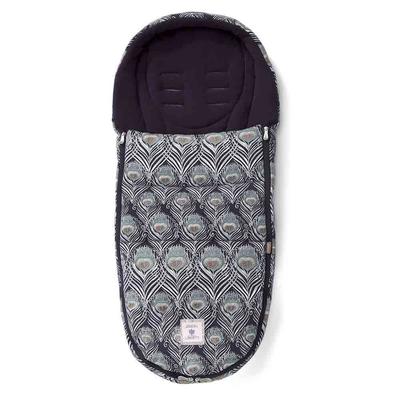
Mamas & Papas Special Edition Liberty Collaboration Cold Weather Plus FootmuffThe Cold Weather Plus Footmuff by Mamas & Papas is the ultimate footmuff for cold weather protection, and features an extra-soft fleece lining. Ideal for keeping baby warm and cozy when out and about in cool weather, you can even zip down to a liner...150,00 $*Shipping: 0,00 $Secure redirect to the provider
-
Yealink MeetingBoard 65-inch 4K Interactive Collaboration Display (MB65-A001)Yealink MeetingBoard 65 (MB65-A001): a 65-inch 4K Ultra HD LED-backlit interactive touch display for meeting rooms, with built-in camera, microphone array and speakers for Microsoft Teams Rooms and Zoom Rooms. Runs Android with a built-in processor and Wi-Fi.3896,99 £*Shipping: 0,00 £Secure redirect to the provider
-
How does the separation process of centrifugation work?
Centrifugation works by using centrifugal force to separate substances of different densities in a mixture. When the mixture is spun at high speeds in a centrifuge, the denser components move towards the bottom of the centrifuge tube, while the lighter components move towards the top. This allows for the separation of the different components based on their density. After the spinning is complete, the separated components can be easily collected from their respective positions in the tube. **
-
What is a simple experiment on the topic of centrifugation?
A simple experiment on centrifugation can be done using a mixture of water and sand in a test tube. By spinning the test tube in a centrifuge, the heavier sand particles will settle at the bottom due to centrifugal force, while the lighter water will remain on top. This demonstrates how centrifugation can be used to separate mixtures based on their density. Students can then observe and analyze the separated components to understand the principle of centrifugation. **
-
Can liquid metals be separated from each other by centrifugation?
Yes, liquid metals can be separated from each other by centrifugation. Centrifugation works by applying centrifugal force to a mixture, causing the components to separate based on their density. Since different metals have different densities, they can be separated from each other using centrifugation. This process is commonly used in metallurgy and metal refining to separate different metals from each other. **
-
Is cultural globalization diversity or leveling?
Cultural globalization can be seen as both diversity and leveling. On one hand, it has led to the spread and exchange of diverse cultural practices, ideas, and products across the world, leading to a greater appreciation and understanding of different cultures. On the other hand, it has also led to the homogenization and standardization of certain cultural elements, as popular globalized media and consumer products can overshadow local traditions and practices. Ultimately, cultural globalization can result in both diversity and leveling, depending on the context and perspective. **
* All prices are inclusive of VAT and, if applicable, plus shipping costs. The offer information is based on the details provided by the respective shop and is updated through automated processes. Real-time updates do not occur, so deviations can occur in individual cases. ** Note: Parts of this content were created by AI.