Buy educationforfuture.eu ?
We are moving the project
educationforfuture.eu .
Are you interested in purchasing the domain
educationforfuture.eu ?
domain@kv-gmbh.de · 0541-91531010
Buy educationforfuture.eu ?
What is the difference between subordinating conjunctions and subordinate conjunctions?
Subordinating conjunctions are a type of conjunction that connects a dependent clause to an independent clause, creating a complex sentence. Subordinate conjunctions, on the other hand, are a broader category that includes subordinating conjunctions as well as other types of conjunctions that introduce subordinate clauses. In essence, all subordinating conjunctions are subordinate conjunctions, but not all subordinate conjunctions are subordinating conjunctions. **
Which words are conjunctions?
Conjunctions are words that connect words, phrases, or clauses in a sentence. Some common conjunctions include "and," "but," "or," "so," "yet," and "because." These words are used to join two or more ideas together to show the relationship between them. **

Similar search terms for Conjunctions
Top-Angebote
Products related to Conjunctions:
-
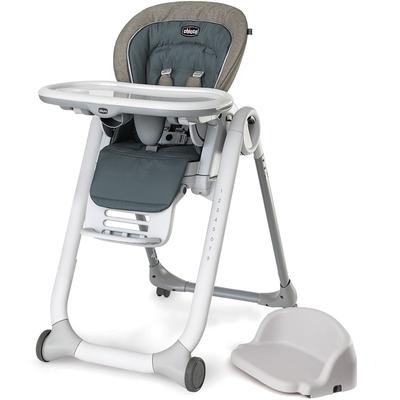
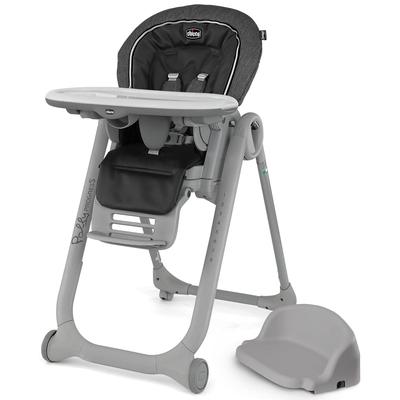
Chicco Polly Progress Relax High Chair - SilhouetteThe Polly Progress is a multichair with five unique configurations for every age and stage: Newborn Recliner, Infant Highchair, Toddler Booster, Big Kid Booster, and Youth Stool. It can even accommodate two children at once one in the booster, and...229,99 $*Shipping: 0,00 $Secure redirect to the provider

-
What are Spanish conjunctions?
Spanish conjunctions are words that are used to connect words, phrases, or clauses in a sentence. They help to show the relationship between different parts of a sentence, such as cause and effect, contrast, or addition. Common Spanish conjunctions include "y" (and), "pero" (but), "porque" (because), and "o" (or). Mastering Spanish conjunctions is important for building complex and cohesive sentences in the language. **
-
How are conjunctions composed?
Conjunctions are composed of two or more words that are used to connect phrases, clauses, or sentences. They can be single words, such as "and," "but," "or," "so," or "yet," or they can be phrases, such as "as well as," "in addition to," or "on the other hand." Conjunctions are essential for creating complex and compound sentences, as they help to show the relationship between different parts of a sentence. **
-
How can one use conjunctions?
Conjunctions are used to connect words, phrases, or clauses in a sentence. They can be used to join two independent clauses with a coordinating conjunction like "and," "but," or "or." Conjunctions can also be used to connect dependent clauses to independent clauses with subordinating conjunctions like "because," "although," or "while." By using conjunctions effectively, one can create more complex and cohesive sentences that convey relationships between different parts of a sentence. **
-
How are coordinating conjunctions formed?
Coordinating conjunctions are formed by joining two independent clauses or words together. They are typically short words such as "and," "but," "or," "nor," "for," "so," and "yet." These conjunctions are used to connect words, phrases, or clauses that have equal importance in a sentence. **
How can one recognize conjunctions?
Conjunctions are words that connect words, phrases, or clauses in a sentence. Some common conjunctions include "and," "but," "or," "so," and "yet." One can recognize conjunctions by looking for words that join two related ideas or elements in a sentence. Additionally, conjunctions often come between the words or phrases they connect. **
What are conjunctions and prepositions?
Conjunctions are words that connect words, phrases, or clauses in a sentence. They include words like "and," "but," and "or." Prepositions, on the other hand, are words that show the relationship between a noun or pronoun and other words in a sentence. They typically indicate location, direction, time, or the relationship between two things. Examples of prepositions include "in," "on," "at," and "between." **
Top-Angebote
Products related to Conjunctions:
-
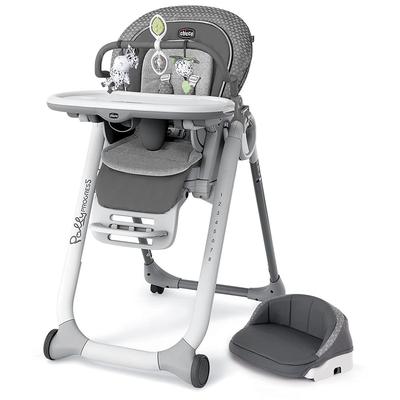
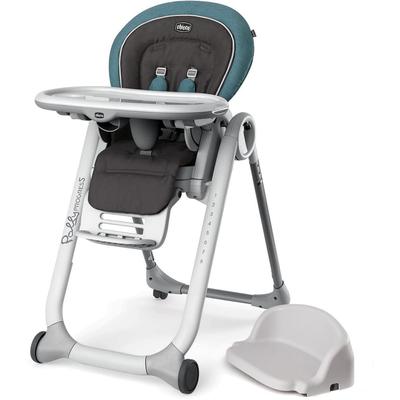
Chicco Polly Progress Highchair - NaturaleIt can even accommodate two children at once: one in the booster, and one in the stool, making mealtimes happier for the whole family!For growing babies, Progress? offers all the convenience of an everyday highchair with a wipeable seat pad,...199,99 $*Shipping: 0,00 $Secure redirect to the provider
-
Sesderma Reti Age 5 Liposomal Serum Anti-Aging Innovation 30mLA facial serum for wrinkles and signs of ageing. Reduces wrinkles and fine lines. Hydrates and strengthens barrier. Restores youthful radiance. 5-Retinoid System: smooths wrinkles, accelerates renewal, and boosts collagen. Biomimetic Peptides: fill expression lines by stimulating collagen synthesis.54,51 £*Shipping: 5,34 £Secure redirect to the provider
-
Chicco Polly Progress Relax High Chair - SilhouetteThe Polly Progress is a multichair with five unique configurations for every age and stage: Newborn Recliner, Infant Highchair, Toddler Booster, Big Kid Booster, and Youth Stool. It can even accommodate two children at once one in the booster, and...229,99 $*Shipping: 0,00 $Secure redirect to the provider
-
What is the difference between subordinating conjunctions and subordinate conjunctions?
Subordinating conjunctions are a type of conjunction that connects a dependent clause to an independent clause, creating a complex sentence. Subordinate conjunctions, on the other hand, are a broader category that includes subordinating conjunctions as well as other types of conjunctions that introduce subordinate clauses. In essence, all subordinating conjunctions are subordinate conjunctions, but not all subordinate conjunctions are subordinating conjunctions. **
-
Which words are conjunctions?
Conjunctions are words that connect words, phrases, or clauses in a sentence. Some common conjunctions include "and," "but," "or," "so," "yet," and "because." These words are used to join two or more ideas together to show the relationship between them. **
-
What are Spanish conjunctions?
Spanish conjunctions are words that are used to connect words, phrases, or clauses in a sentence. They help to show the relationship between different parts of a sentence, such as cause and effect, contrast, or addition. Common Spanish conjunctions include "y" (and), "pero" (but), "porque" (because), and "o" (or). Mastering Spanish conjunctions is important for building complex and cohesive sentences in the language. **
-
How are conjunctions composed?
Conjunctions are composed of two or more words that are used to connect phrases, clauses, or sentences. They can be single words, such as "and," "but," "or," "so," or "yet," or they can be phrases, such as "as well as," "in addition to," or "on the other hand." Conjunctions are essential for creating complex and compound sentences, as they help to show the relationship between different parts of a sentence. **
Similar search terms for Conjunctions
-
Chicco Polly Progress Highchair - MineraleIt can even accommodate two children at once: one in the booster, and one in the stool, making mealtimes happier for the whole family!For growing babies, Progress? offers all the convenience of an everyday highchair with a wipeable seat pad,...172,49 $*Shipping: 0,00 $Secure redirect to the provider
-
Chicco Polly Progress High Chair - CalypsoIt can even accommodate two children at once: one in the booster, and one in the stool, making mealtimes happier for the whole family!For growing babies, Progress? offers all the convenience of an everyday highchair with a wipeable seat pad,...159,99 $*Shipping: 0,00 $Secure redirect to the provider
-
How can one use conjunctions?
Conjunctions are used to connect words, phrases, or clauses in a sentence. They can be used to join two independent clauses with a coordinating conjunction like "and," "but," or "or." Conjunctions can also be used to connect dependent clauses to independent clauses with subordinating conjunctions like "because," "although," or "while." By using conjunctions effectively, one can create more complex and cohesive sentences that convey relationships between different parts of a sentence. **
-
How are coordinating conjunctions formed?
Coordinating conjunctions are formed by joining two independent clauses or words together. They are typically short words such as "and," "but," "or," "nor," "for," "so," and "yet." These conjunctions are used to connect words, phrases, or clauses that have equal importance in a sentence. **
-
How can one recognize conjunctions?
Conjunctions are words that connect words, phrases, or clauses in a sentence. Some common conjunctions include "and," "but," "or," "so," and "yet." One can recognize conjunctions by looking for words that join two related ideas or elements in a sentence. Additionally, conjunctions often come between the words or phrases they connect. **
-
What are conjunctions and prepositions?
Conjunctions are words that connect words, phrases, or clauses in a sentence. They include words like "and," "but," and "or." Prepositions, on the other hand, are words that show the relationship between a noun or pronoun and other words in a sentence. They typically indicate location, direction, time, or the relationship between two things. Examples of prepositions include "in," "on," "at," and "between." **
* All prices are inclusive of VAT and, if applicable, plus shipping costs. The offer information is based on the details provided by the respective shop and is updated through automated processes. Real-time updates do not occur, so deviations can occur in individual cases. ** Note: Parts of this content were created by AI.