Buy educationforfuture.eu ?
We are moving the project
educationforfuture.eu .
Are you interested in purchasing the domain
educationforfuture.eu ?
domain@kv-gmbh.de · 0541-91531010
Buy educationforfuture.eu ?
When does presbyopia start?
Presbyopia typically starts to become noticeable around the age of 40, but it can vary from person to person. It is a natural part of aging and is caused by the hardening of the lens in the eye, making it more difficult to focus on close objects. As we get older, the muscles that control the shape of the lens also weaken, contributing to the development of presbyopia. **
Which glasses for presbyopia?
For presbyopia, bifocal or progressive lenses are commonly recommended. Bifocal lenses have two distinct areas for near and distance vision, while progressive lenses have a seamless transition between the two. Both options can help individuals with presbyopia see clearly at different distances without needing to switch between multiple pairs of glasses. It is important to consult with an eye care professional to determine the best type of glasses for your specific needs and lifestyle. **

Similar search terms for Presbyopia
Top-Angebote
Products related to Presbyopia:
-
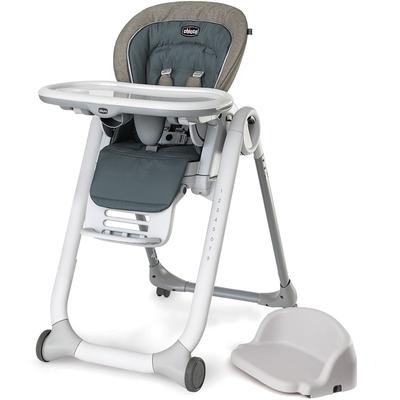
Chicco Polly Progress Relax High Chair - SilhouetteThe Polly Progress is a multichair with five unique configurations for every age and stage: Newborn Recliner, Infant Highchair, Toddler Booster, Big Kid Booster, and Youth Stool. It can even accommodate two children at once one in the booster, and...229,99 $*Shipping: 0,00 $Secure redirect to the provider

-
How quickly does presbyopia worsen?
Presbyopia typically worsens gradually over time, starting around the age of 40. The rate at which presbyopia worsens can vary from person to person, but most individuals will experience a noticeable decline in near vision over the course of several years. As the eye's lens loses flexibility, the need for reading glasses or other corrective measures may become more frequent as presbyopia progresses. Regular eye exams can help monitor the progression of presbyopia and ensure appropriate adjustments to corrective lenses. **
-
What is normal with presbyopia?
Presbyopia is a normal age-related condition that affects the ability of the eye to focus on close objects. It typically becomes noticeable around the age of 40 and is a result of the natural aging process of the eye. As the eye's lens becomes less flexible, it becomes more difficult to focus on close-up objects, leading to the need for reading glasses or other corrective measures. This condition is a normal part of the aging process and is experienced by the majority of people as they get older. **
-
To all people with presbyopia:
To all people with presbyopia, there are several options available to help you manage your condition. You can consider getting reading glasses, multifocal contact lenses, or undergoing a surgical procedure such as monovision LASIK. It's important to consult with an eye care professional to determine the best option for your specific needs and lifestyle. Don't hesitate to seek help and explore the available solutions to improve your vision and quality of life. **
-
Which glasses for nearsightedness and presbyopia?
For nearsightedness, concave lenses are typically used to correct the vision by helping focus light directly onto the retina. For presbyopia, convex lenses are usually prescribed to help with close-up vision. In some cases, bifocal or progressive lenses may be recommended for individuals who have both nearsightedness and presbyopia. It is important to consult with an eye care professional to determine the best type of glasses for your specific vision needs. **

How does nearsightedness compensate for presbyopia?
Nearsightedness, also known as myopia, can compensate for presbyopia by allowing the individual to see nearby objects clearly without the need for reading glasses. This is because nearsighted individuals have difficulty seeing distant objects clearly, but their ability to focus on close-up objects is relatively unaffected. As a result, they may not experience as much difficulty with close-up tasks as someone with normal vision or farsightedness. However, it's important to note that nearsightedness does not fully compensate for presbyopia, and individuals with both conditions may still require reading glasses for certain tasks. **
What is the difference between farsightedness and presbyopia?
Farsightedness, also known as hyperopia, is a refractive error where distant objects can be seen clearly, but close-up objects appear blurry. This occurs when the eyeball is too short or the cornea has too little curvature, causing light to focus behind the retina instead of directly on it. Presbyopia, on the other hand, is an age-related condition where the lens of the eye becomes less flexible, making it difficult to focus on close-up objects. While farsightedness can affect people of all ages, presbyopia typically begins to develop around the age of 40 and is a natural part of the aging process. **
Top-Angebote
Products related to Presbyopia:
-
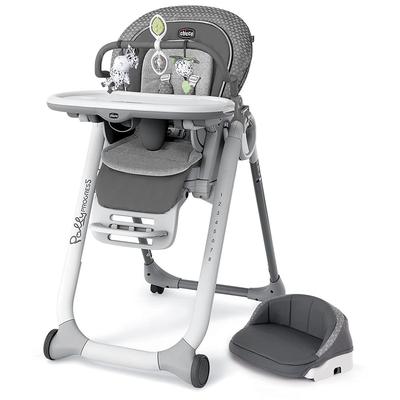
Chicco Polly Progress Highchair - NaturaleIt can even accommodate two children at once: one in the booster, and one in the stool, making mealtimes happier for the whole family!For growing babies, Progress? offers all the convenience of an everyday highchair with a wipeable seat pad,...199,99 $*Shipping: 0,00 $Secure redirect to the provider
-
Sesderma Reti Age 5 Liposomal Serum Anti-Aging Innovation 30mLA facial serum for wrinkles and signs of ageing. Reduces wrinkles and fine lines. Hydrates and strengthens barrier. Restores youthful radiance. 5-Retinoid System: smooths wrinkles, accelerates renewal, and boosts collagen. Biomimetic Peptides: fill expression lines by stimulating collagen synthesis.54,51 £*Shipping: 5,34 £Secure redirect to the provider
-
Chicco Polly Progress Relax High Chair - SilhouetteThe Polly Progress is a multichair with five unique configurations for every age and stage: Newborn Recliner, Infant Highchair, Toddler Booster, Big Kid Booster, and Youth Stool. It can even accommodate two children at once one in the booster, and...229,99 $*Shipping: 0,00 $Secure redirect to the provider
-
When does presbyopia start?
Presbyopia typically starts to become noticeable around the age of 40, but it can vary from person to person. It is a natural part of aging and is caused by the hardening of the lens in the eye, making it more difficult to focus on close objects. As we get older, the muscles that control the shape of the lens also weaken, contributing to the development of presbyopia. **
-
Which glasses for presbyopia?
For presbyopia, bifocal or progressive lenses are commonly recommended. Bifocal lenses have two distinct areas for near and distance vision, while progressive lenses have a seamless transition between the two. Both options can help individuals with presbyopia see clearly at different distances without needing to switch between multiple pairs of glasses. It is important to consult with an eye care professional to determine the best type of glasses for your specific needs and lifestyle. **
-
How quickly does presbyopia worsen?
Presbyopia typically worsens gradually over time, starting around the age of 40. The rate at which presbyopia worsens can vary from person to person, but most individuals will experience a noticeable decline in near vision over the course of several years. As the eye's lens loses flexibility, the need for reading glasses or other corrective measures may become more frequent as presbyopia progresses. Regular eye exams can help monitor the progression of presbyopia and ensure appropriate adjustments to corrective lenses. **
-
What is normal with presbyopia?
Presbyopia is a normal age-related condition that affects the ability of the eye to focus on close objects. It typically becomes noticeable around the age of 40 and is a result of the natural aging process of the eye. As the eye's lens becomes less flexible, it becomes more difficult to focus on close-up objects, leading to the need for reading glasses or other corrective measures. This condition is a normal part of the aging process and is experienced by the majority of people as they get older. **
Similar search terms for Presbyopia
-
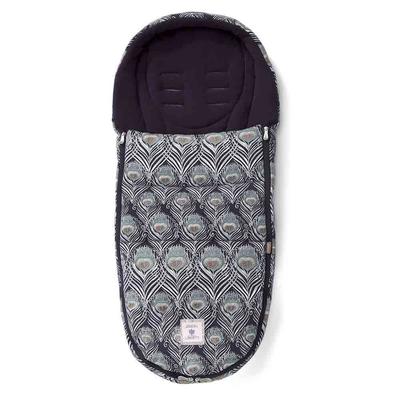
Mamas & Papas Special Edition Liberty Collaboration Cold Weather Plus FootmuffThe Cold Weather Plus Footmuff by Mamas & Papas is the ultimate footmuff for cold weather protection, and features an extra-soft fleece lining. Ideal for keeping baby warm and cozy when out and about in cool weather, you can even zip down to a liner...150,00 $*Shipping: 0,00 $Secure redirect to the provider
-
Yealink MeetingBoard 65-inch 4K Interactive Collaboration Display (MB65-A001)Yealink MeetingBoard 65 (MB65-A001): a 65-inch 4K Ultra HD LED-backlit interactive touch display for meeting rooms, with built-in camera, microphone array and speakers for Microsoft Teams Rooms and Zoom Rooms. Runs Android with a built-in processor and Wi-Fi.3896,99 £*Shipping: 0,00 £Secure redirect to the provider
-
To all people with presbyopia:
To all people with presbyopia, there are several options available to help you manage your condition. You can consider getting reading glasses, multifocal contact lenses, or undergoing a surgical procedure such as monovision LASIK. It's important to consult with an eye care professional to determine the best option for your specific needs and lifestyle. Don't hesitate to seek help and explore the available solutions to improve your vision and quality of life. **
-
Which glasses for nearsightedness and presbyopia?
For nearsightedness, concave lenses are typically used to correct the vision by helping focus light directly onto the retina. For presbyopia, convex lenses are usually prescribed to help with close-up vision. In some cases, bifocal or progressive lenses may be recommended for individuals who have both nearsightedness and presbyopia. It is important to consult with an eye care professional to determine the best type of glasses for your specific vision needs. **
-
How does nearsightedness compensate for presbyopia?
Nearsightedness, also known as myopia, can compensate for presbyopia by allowing the individual to see nearby objects clearly without the need for reading glasses. This is because nearsighted individuals have difficulty seeing distant objects clearly, but their ability to focus on close-up objects is relatively unaffected. As a result, they may not experience as much difficulty with close-up tasks as someone with normal vision or farsightedness. However, it's important to note that nearsightedness does not fully compensate for presbyopia, and individuals with both conditions may still require reading glasses for certain tasks. **
-
What is the difference between farsightedness and presbyopia?
Farsightedness, also known as hyperopia, is a refractive error where distant objects can be seen clearly, but close-up objects appear blurry. This occurs when the eyeball is too short or the cornea has too little curvature, causing light to focus behind the retina instead of directly on it. Presbyopia, on the other hand, is an age-related condition where the lens of the eye becomes less flexible, making it difficult to focus on close-up objects. While farsightedness can affect people of all ages, presbyopia typically begins to develop around the age of 40 and is a natural part of the aging process. **
* All prices are inclusive of VAT and, if applicable, plus shipping costs. The offer information is based on the details provided by the respective shop and is updated through automated processes. Real-time updates do not occur, so deviations can occur in individual cases. ** Note: Parts of this content were created by AI.